The holidays bring warmth, family time, and a much-needed break from routine—but they can also derail homeschool progress faster than you expect. Once November rolls around, math lessons often get pushed aside for travel, celebrations, and baking marathons.
And that’s okay. Homeschooling offers flexibility for exactly that reason. But a complete break can make it hard for students to restart in January. The trick is to maintain *just enough* math momentum to keep skills sharp—without taking away from the holiday spirit.
Why Math Momentum Matters
Math is cumulative. Even short breaks can cause students to lose confidence or forget key steps in problem-solving. It’s not that they’ve “forgotten everything”—their brains just need refreshers to rebuild connections.
That’s why a light, consistent approach through the holidays works best. Think of it like keeping a campfire glowing rather than letting it go out completely. When January comes, your teen won’t have to start from scratch—they’ll already be warm and ready.
1. Lighten the Load, Don’t Drop It
You don’t need to stick to your full curriculum during December. Instead, scale back to short review sessions that take 15–20 minutes a few times a week. The goal isn’t progress—it’s maintenance.
Here are a few low-pressure ways to stay consistent:
- Work through one short lesson or video from your regular program.
- Review flashcards or a few sample problems after breakfast.
- Play math-based games that reinforce logic and reasoning.
Keeping sessions light makes it easy to stay consistent while still enjoying the holidays.
If you’re looking for structure, use guided video lessons from the Homeschool Math Courses. They’re short, focused, and perfect for keeping your teen’s skills active even during busy weeks.
2. Try a “Holiday Math Theme Week”
Turn seasonal activities into opportunities for math. Real-world connections keep students engaged and show that math isn’t separate from daily life—it’s part of it.
Some ideas:
- Cooking and Baking: Double or halve recipes to practice fractions and ratios.
- Shopping and Budgeting: Track spending and calculate discounts or tax.
- Decorating Projects: Measure tree height, window spacing, or lights using geometry.
These activities don’t feel like lessons, but they reinforce important concepts naturally.
3. Focus on Review Instead of New Content
The holidays aren’t the time to introduce completely new topics. Instead, review material your student has already learned. This strengthens memory and gives them a sense of mastery.
Try setting weekly review goals:
- Week 1: Review fractions and decimals.
- Week 2: Practice algebraic expressions or solving equations.
- Week 3: Work through geometry terms and shape properties.
- Week 4: Quick review quizzes or games.
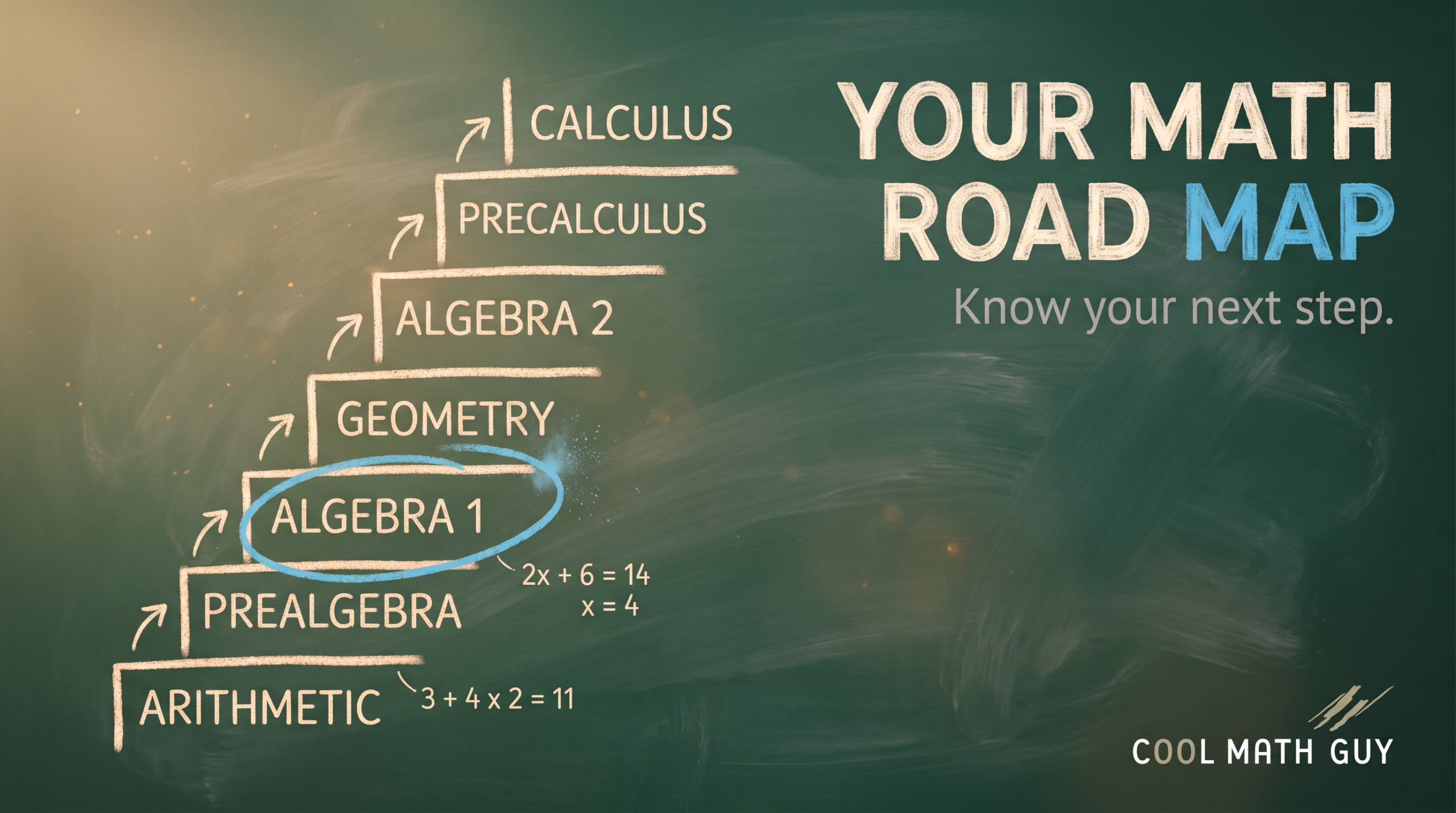
A program like the Prealgebra Homeschool Course or Algebra 1 Course makes this easy—simply revisit earlier units and focus on mastery rather than new content.
4. Keep Lessons Short and Rewarding
During the holidays, attention spans shrink. Short lessons keep things manageable and positive. Try working in focused bursts: 20 minutes of math, followed by a 10-minute break, then stop for the day.
To motivate your teen, make math feel rewarding:
- Set small goals like “complete one practice set” or “watch one video.”
- Track progress on a visual chart or checklist.
- End each session on a positive note—don’t end on a frustration point.
The goal isn’t rigor—it’s rhythm. Keep the learning habit alive, and January will feel like a continuation rather than a restart.
5. Bring Math Into Family Life
Homeschool math doesn’t have to be separate from family activities. Involve everyone when possible—it helps normalize math as a daily skill, not just a school subject.
Ideas include:
- Playing strategy board games that involve probability or counting.
- Letting your teen handle measurements for DIY or craft projects.
- Calculating travel distances, times, or costs for trips.
The more your teen sees math applied to real life, the less abstract it feels—and the easier it becomes to stay confident through breaks.
6. Use “Math Moments” Instead of Full Lessons
If your schedule is packed, skip formal lessons entirely and sprinkle in math conversations.
While baking, ask: “If we double this recipe, how many eggs will we need?”
While shopping: “This sale is 25% off—what’s the total?”
During a road trip: “If we’ve gone 120 miles in two hours, what’s our average speed?”
These micro-moments keep math alive and help your teen stay mentally sharp without formal studying.
7. Reflect on Progress Together
As the year winds down, take time to look back. Ask your teen what they’re proud of, what they found difficult, and what they want to improve next semester.
Reflection helps students connect effort with progress and gives them ownership of their learning. You might ask:
- “What’s one concept you really understand now that you didn’t before?”
- “Which lessons felt easiest this term?”
- “What do you want to get better at next semester?”
Pair this with a fun activity like creating a math-themed goal board for January. It helps students enter the new year feeling capable and focused.
8. Take Advantage of Downtime
Travel days, waiting rooms, and cozy evenings are perfect for short math refreshers. Bring along a small notebook for problem-solving or use educational apps during downtime. Even five minutes of mental math can help maintain familiarity with formulas and problem-solving steps.
If your family uses a formal course like the Algebra 2 Homeschool Course, try downloading one lesson video to watch together while traveling—it keeps math light but consistent.
9. Protect Rest as Part of Learning
While consistency matters, rest is also essential. Mental breaks improve creativity and retention. So if your family needs a few days off, take them guilt-free. The key is intentional rest—knowing you’ll return to a light review plan later.
Balance is what makes homeschooling work long-term. A well-rested, refreshed student learns far better than a burned-out one.
Final Thoughts
The holidays don’t have to mean losing math progress. By keeping lessons light, relevant, and consistent, your homeschool teen can enjoy the season while staying academically confident.
Focus on short bursts of review, real-world learning, and small wins. When January comes, you’ll both feel ready—not behind.
And if you want clear, easy-to-follow lessons that fit perfectly into a flexible holiday schedule, explore the full collection of Homeschool Math Courses from Cool Math Guy. Each one combines step-by-step teaching with structured practice—making it simple to keep momentum through even the busiest time of year.